
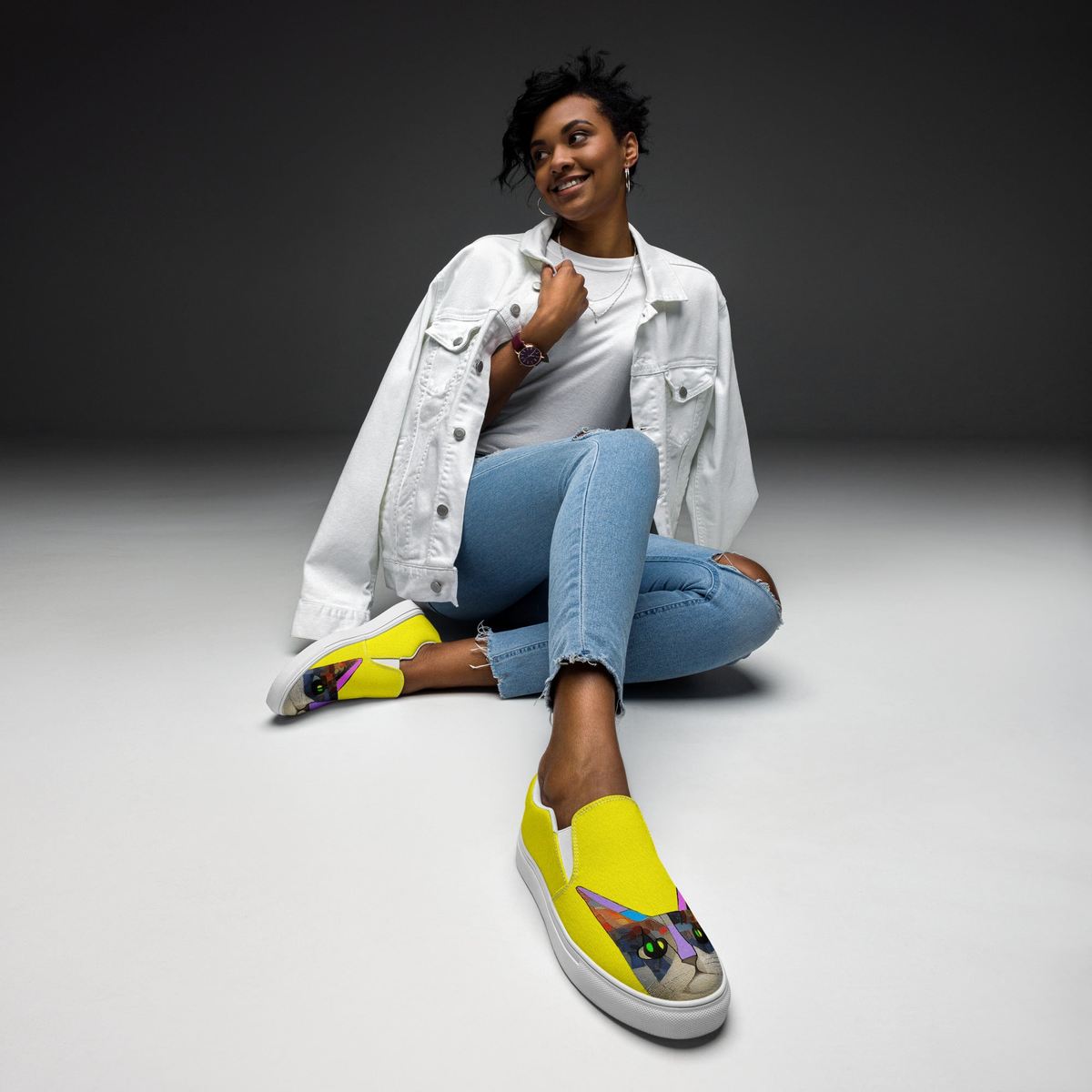


Fashion can cover the body.
Style can communicate personality.
But wearable art goes further: it transforms the human body into a moving canvas.

Rather than treating clothing as something purely practical or trend-driven, wearable art brings together artistic vision, craftsmanship, storytelling, and personal expression.
So, what is wearable art clothing—and why is it attracting women who want something more meaningful from fashion?
What Is Wearable Art Clothing?
Wearable art clothing is fashion created as a form of artistic expression. It may feature original artwork, unusual construction, hand-applied details, expressive color, symbolic imagery, or textiles developed specifically for the garment.
The person wearing it does more than display the design. Her body, movement, personality, and styling become part of the artwork.
This means a wearable-art garment is never completely static.
It changes when it is worn.
It moves through the world.
It becomes part of a living composition.
Is Wearable Art the Same as Artwear?
The terms wearable art and artwear are often used interchangeably. Both describe clothing or accessories created with an artistic intention that goes beyond ordinary fashion.
Wearable art can include:
- Hand-painted dresses and jackets
- Sculptural couture garments
- Original textile prints
- Hand-dyed or hand-woven clothing
- Embroidery, beadwork, and appliqué
- Digital and fractal artwork printed onto fabric
- Artist-designed scarves, handbags, and accessories
- Limited-edition fashion collections
Some wearable art is created primarily for galleries, exhibitions, or runways. Other pieces are functional enough to become part of everyday wardrobes.
That is where art and life begin to meet.
How Is Wearable Art Different From Regular Clothing?
The difference is not simply that wearable art is colorful or unusual.
It begins with the designer’s intention.
Conventional fashion is often created around seasonal trends, broad commercial appeal, and repeatable silhouettes. Wearable art begins with a creative idea, image, story, emotion, or artistic technique.
| Conventional clothing | Wearable art clothing |
|---|---|
| Often follows seasonal trends | Often begins with an artistic concept |
| Designed for broad familiarity | Designed to communicate a distinct vision |
| Frequently uses widely available prints | May feature original or artist-created imagery |
| The garment is primarily the product | The garment becomes part of the artwork |
| Often intended to coordinate quietly | May serve as the central expression of an outfit |
This does not mean conventional clothing has no creativity or that every bold print qualifies as wearable art.
Authentic wearable art carries an identifiable artistic point of view.
Does Wearable Art Have to Be Handmade?
No. Wearable art can be handmade, digitally created, or produced through a combination of traditional and modern techniques.
A one-of-a-kind couture dress shaped, embellished, and finished by hand is wearable art. But an original digital composition thoughtfully translated onto fabric can also be wearable art.
The creative process may involve:
- Drawing or painting
- Photography
- Textile manipulation
- Fabric dyeing
- Embroidery and embellishment
- Digital illustration
- Generative or fractal design
- Custom garment construction
- Strategic print placement
The essential distinction is originality and artistic intention—not the exclusive use of one production method.
Technology does not eliminate artistry. In the hands of an artist, it becomes another medium.
The Human Body Brings Wearable Art to Life
A painting remains within its frame. A wearable-art garment changes as the body moves.
A sleeve turns.
Fabric folds.
Light travels across the surface.
A pattern expands, disappears into a seam, and reappears from another angle.
This relationship between artwork and anatomy is one of the most fascinating parts of wearable art. A successful design must be considered not only as a flat image, but as a composition that will live on a three-dimensional, moving form.
That transformation—from artwork to garment—is where the designer’s understanding becomes essential.
A Designer’s Perspective From Zhanna Kens
As a couture designer and multimedia artist with more than 25 years of experience, I see the body as an essential part of the artwork.
When I transform one of my original fractal compositions into a ZKoriginal garment, I do not simply place a picture onto fabric. I consider how the design will travel across the silhouette, where the visual energy will begin, and how the composition will change as the woman moves.
A beautiful image does not automatically become a beautiful garment.
The placement matters.
The scale matters.
The relationship between color, body, and silhouette matters.
For me, wearable art is a conversation between the artist, the garment, and the person who chooses to wear it.
The artwork brings the energy. The woman gives it presence.
Why Is Fractal Art So Powerful on Clothing?

Fractal art is created through repeating forms, evolving patterns, mathematical relationships, and intricate layers of detail. The results can feel organic, cosmic, architectural, or dreamlike.
When translated onto clothing, fractal artwork can create:
- A sense of continuous movement
- Visual depth and dimension
- Patterns that change across the body
- Unexpected focal points
- Rich color relationships
- A different visual experience from every angle
Fractal designs are especially suited to wearable art because they rarely feel confined. They appear to continue beyond the boundaries of the garment, inviting the eye to keep exploring.
In ZKoriginal designs, fractal art becomes more than a surface pattern. It becomes a visual language of imagination, movement, and possibility.
Why Are People Drawn to Wearable Art?
In a marketplace filled with repeated silhouettes, copied trends, and similar-looking products, wearable art offers individuality.
People may choose it because they want clothing that:
- Expresses their creative identity
- Begins conversations
- Feels emotionally meaningful
- Supports an independent artist or designer
- Does not look like everything else in their wardrobe
- Helps them feel more visible and fully expressed
The connection is personal. One woman may be drawn to a design because of its colors. Another may see a symbol, memory, or feeling within the artwork.
That emotional response is part of its value.
The Role of Color and Pattern
Color and pattern can influence the emotional impression of an outfit, but those responses are personal and can vary by culture, experience, and individual preference.
A vivid red composition may feel powerful to one woman and romantic to another. Blue may suggest peace, freedom, strength, or mystery. An intricate pattern may feel energizing, while a flowing composition may create a sense of movement and ease.
Wearable art does not dictate what the wearer must feel.
It creates an invitation to feel something.
That is why choosing wearable art is often instinctive. A woman sees a piece and immediately recognizes a connection—even before she can explain it.
How Can You Recognize Authentic Wearable Art?
Not every colorful garment is necessarily wearable art. Before purchasing a piece, consider the following:
Is the artwork original?
Look for information about the artist or designer and the origin of the imagery.
Is there a clear artistic perspective?
The piece should communicate more than decoration. It may carry a recognizable visual language, concept, story, or creative process.
Does the artwork relate thoughtfully to the garment?
Notice how the composition works across seams, curves, sleeves, and movement. Strong wearable art considers the body rather than treating the garment like a flat poster.
Does the piece create an emotional response?
Art does not need to appeal to everyone. It should create a meaningful response in the person who connects with it.
Is the designer’s voice visible?
Authentic wearable art usually reflects a recognizable point of view rather than simply following a popular aesthetic.
Can Wearable Art Be Practical?
Absolutely.
Wearable art can take many forms, from museum-level sculptural pieces to comfortable dresses, jackets, leggings, hoodies, and accessories.
Its practicality depends on the specific garment, fabric, construction, care requirements, and intended use.
A wearable-art piece might be:
- A dramatic couture gown for a special occasion
- A statement jacket worn over a simple outfit
- A printed dress for travel or lunch
- A designer hoodie for expressive streetwear
- Artistic leggings styled for everyday life
- A scarf or handbag that adds art to a neutral wardrobe
Wearable art does not have to remain in a gallery.
It can walk through an airport, enter a café, appear at an event, or become part of an ordinary Tuesday.
Who Is Wearable Art For?
Wearable art is for anyone who feels that clothing can communicate something deeper.
It may particularly resonate with the woman who:
- Values individuality over imitation
- Experiences fashion emotionally
- Wants to support artistic originality
- Enjoys color, pattern, symbolism, or visual storytelling
- Does not want her wardrobe to feel anonymous
- Sees personal style as part of her identity
There is no required age, profession, or body type.
The essential requirement is connection.
Is Wearable Art Just a Fashion Trend?

Specific colors, silhouettes, and styling choices will always move in and out of fashion. But the desire to decorate the body, communicate identity, and turn clothing into art is much older than any modern trend.
What is changing now is accessibility.
Digital design and modern textile printing allow artists to translate highly detailed original work onto functional garments in ways that were once difficult or prohibitively expensive.
This evolution gives more people the opportunity to experience art—not only by observing it, but by wearing it.
Frequently Asked Questions
What does wearable art mean in fashion?
Wearable art refers to clothing or accessories created with a meaningful artistic intention. The garment functions as both fashion and a medium for creative expression.
Is wearable art always one of a kind?
No. Some wearable-art pieces are unique couture creations, while others are produced in limited editions or applied across an artist-designed collection.
Is all printed clothing wearable art?
Not necessarily. A printed garment becomes wearable art when the imagery, composition, and garment reflect an original artistic vision—not simply a decorative or mass-market pattern.
Can wearable art be worn every day?
Yes. Wearable art can include practical dresses, jackets, hoodies, leggings, tops, and accessories. The appropriate use depends on the individual piece and how it is styled.
How should wearable art be styled?
Let one artistic piece become the focus and use simpler supporting garments when needed. Solid colors can frame the artwork without competing with it.
Why is wearable art valuable?
Its value may come from originality, craftsmanship, artistic meaning, emotional connection, scarcity, or the creative identity of the artist or designer.
Final Thought
Wearable art is not simply clothing with a beautiful image.
It is an artistic idea translated onto the human form.
It moves from something we observe to something we experience—from art displayed at a distance to art carried into everyday life.
And when the right woman finds the right piece, she does not merely wear the artwork.
She completes it.
ZKoriginal by Zhanna Kens
Wearable Art. Elevated Energy. A State of Being.